
Mistakes to Avoid When Charging Your Devices
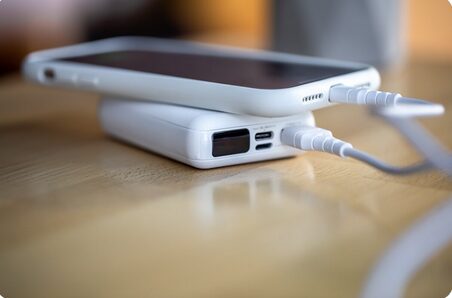
Smartphones, laptops, and tablets are now essential tools in daily life, and keeping them charged has become second nature. However, many people unknowingly make mistakes when charging their devices, which can shorten battery lifespan and reduce overall performance. Understanding these common errors and how to avoid them can help ensure your devices stay reliable and last longer.
Using Cheap or Unreliable Chargers
Not all chargers are created equal, and relying on cheap, low-quality options can damage your device. Inconsistent voltage or poor insulation in knock-off chargers can not only reduce charging efficiency but also pose safety hazards such as overheating or short-circuiting. Using original or certified chargers designed for your device ensures better protection for the battery.
Overcharging and Keeping Devices Plugged In
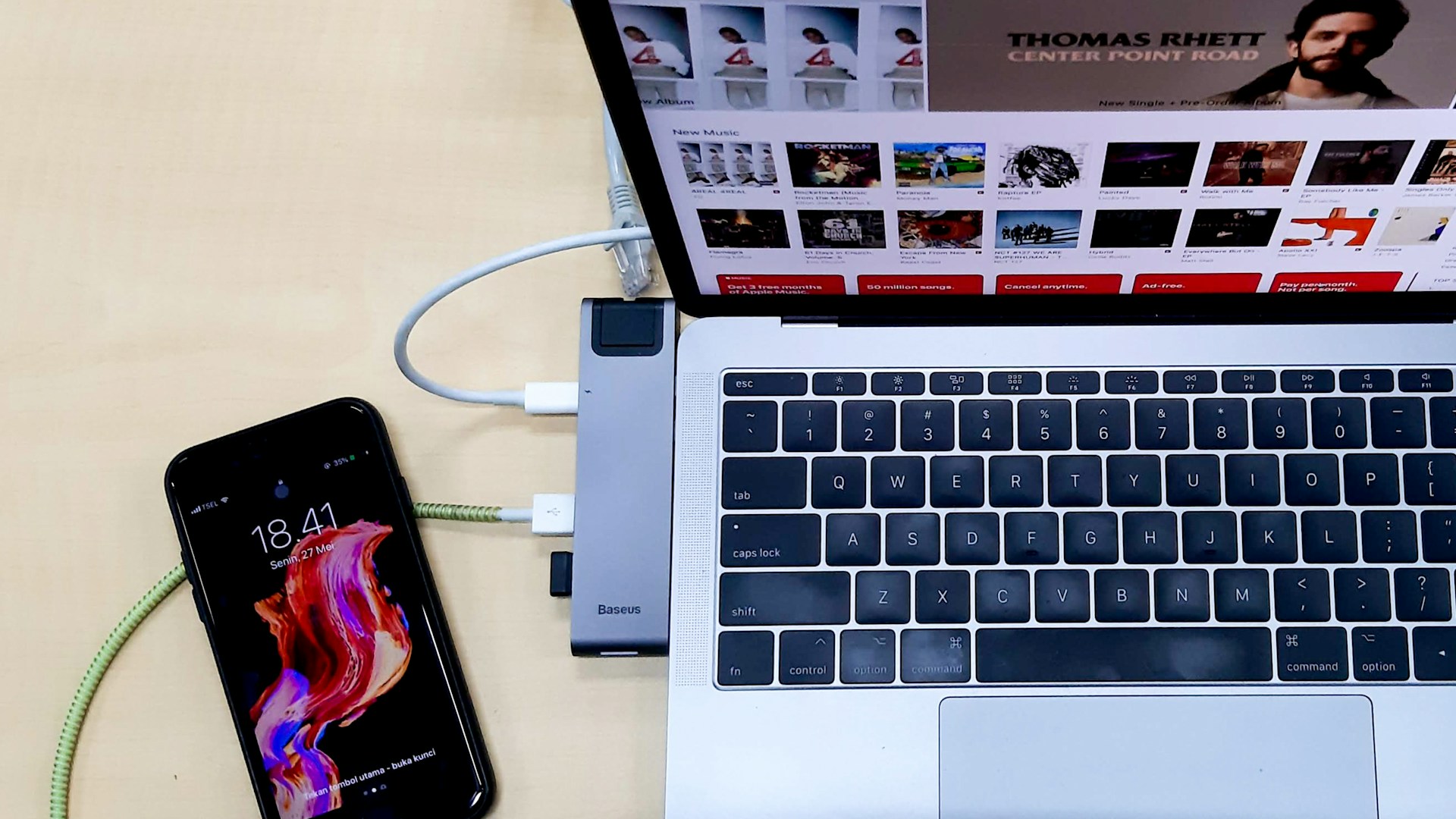 A common charging mistake committed by most people is leaving devices plugged in long after they reach 100 percent. While modern batteries are designed with protections against overcharging, keeping a device connected to power unnecessarily can generate heat and stress the battery over time. A healthier practice is to unplug once the battery is fully charged or aim to keep it within a range of 20 to 80 percent, which prolongs battery health.
Charging in Hot Environments
Heat is one of the biggest enemies of lithium-ion batteries. Charging your device in direct sunlight, on soft surfaces like beds, or near other heat sources can heat up and degrade battery life. High temperatures during charging cause chemical stress inside the battery, leading to faster wear. Always charge on a hard, flat surface in a cool environment to maintain battery health.
Multitasking During Charging
Using your phone or laptop intensively while it charges—such as gaming, streaming, or running demanding applications—puts additional strain on the battery. The device generates heat from charging and from heavy use, which accelerates wear and reduces efficiency. Light use while charging is generally fine, but giving the battery time to recharge without extra stress ensures it remains healthier in the long run.
Letting the Battery Drain Completely
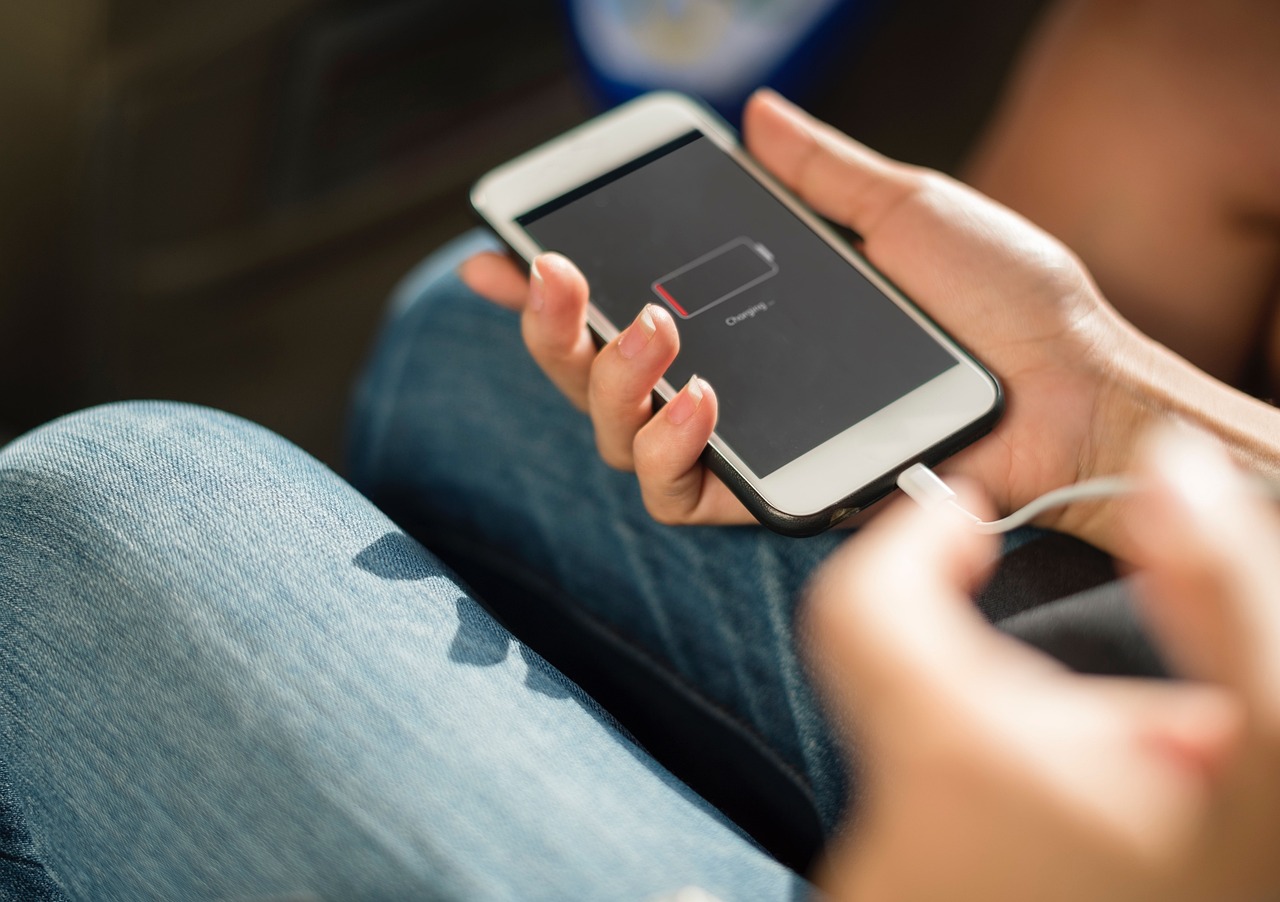
While it may seem logical to use every bit of battery power before recharging, letting a device reach zero percent frequently can actually harm the battery. Lithium-ion batteries perform best when they are not deeply discharged. Allowing the charge to drop too low regularly can shorten their lifespan. Recharging when the level dips to around 20 or 30 percent helps maintain better long-term performance.
Ignoring Software Updates and Battery Settings
Many devices now include smart charging features, such as optimizing charging speed or learning your charging habits to reduce wear. Ignoring these settings or failing to update software means missing out on tools designed to protect the battery. Enabling battery optimization and keeping software up to date helps the device manage charging more intelligently and safely.
Charging habits play a major role in the longevity and reliability of modern devices. By developing mindful charging practices, you can keep your devices running smoothly for years. Taking care of your battery not only saves money on replacements but also ensures your tech is always ready when you need it.


