
The Password-Free Future Is Closer Than You Think

For decades, passwords have been the key to almost everything we do online. We use them to access our emails, bank accounts, social media profiles, shopping accounts, and countless other digital services. But despite their importance, passwords have always been a frustrating part of modern life. People forget them, reuse them, create weak combinations, and sometimes fall victim to scams designed to steal them. Now, a major shift is taking place. A password-free future is no longer just an idea from science fiction—it is becoming a realistic possibility as new technologies make logging in easier and more secure.
Why Passwords Have Become a Problem
Passwords were created as a simple way to protect information, but the digital world has grown far more complicated. The average person now manages dozens of online accounts, making it difficult to remember unique and strong passwords for each one. This often leads people to choose convenience over security. Using the same password across multiple websites can create serious risks because one stolen login can potentially affect many accounts. As our online lives expand, the traditional password system is becoming harder to manage.
The Rise of Passwordless Technology
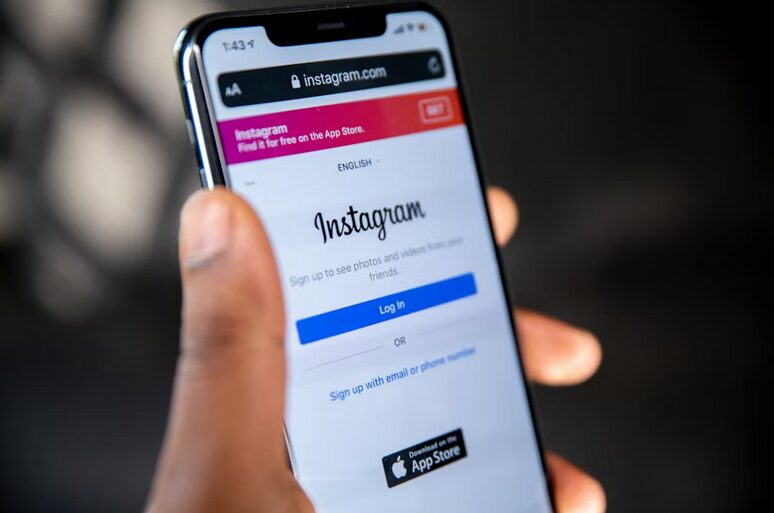
Passwordless technology replaces traditional passwords with other ways of proving identity. Instead of typing a secret phrase, users may confirm their identity through methods such as fingerprints, facial recognition, security keys, or approval from another trusted device. These methods are designed to make digital access smoother while reducing the risks associated with stolen passwords. Many smartphones and computers already use these features, showing that passwordless systems are moving into everyday life.
Biometrics Are Changing How We Log In
Biometric technology has become one of the most visible steps toward a password-free future. Fingerprints and facial recognition allow devices to identify users based on unique physical characteristics. This approach is convenient because people do not have to remember anything. They use a feature that is already part of who they are. While privacy and security concerns remain important topics, improvements in biometric technology continue to make these systems more reliable and widely available.
Security Keys and Passkeys Offer a New Approach
Another major development in passwordless security is the growth of passkeys and hardware security keys. These tools use advanced encryption methods to verify identity without requiring users to enter passwords. Instead of storing a password that can be stolen, the system creates secure digital credentials that are much harder for attackers to misuse. This approach aims to make online accounts both safer and easier to access.
Convenience Is Driving the Change
One reason passwordless technology is gaining popularity is that it solves a problem everyone understands: passwords are annoying. Forgetting login information, resetting accounts, and managing security questions takes time and creates frustration. A simpler login experience can improve everyday digital interactions while also encouraging better security habits. When safer options are also easier to use, more people are likely to adopt them.
Businesses Are Moving Toward a Password-Free World

Companies are also embracing passwordless solutions because protecting customer information has become more challenging. Data breaches and account theft can damage trust and create high costs. By adopting stronger authentication methods, businesses can reduce security risks and offer customers a smoother experience. As more organizations make the transition, passwordless access may become a standard feature rather than a special option.
Challenges Still Need to Be Solved
Although the future without passwords looks promising, the transition will not happen overnight. Technology providers must continue improving compatibility, privacy protections, and user education. People also need to feel comfortable adopting new login methods and understanding how their information is protected. Like any major technological change, moving away from passwords will require cooperation between companies, developers, and users.
The password-free future is nearer than many people realize. As technology continues to improve, the way we prove our identity online is changing from something we remember to something we securely verify. While passwords may not disappear immediately, their role is likely to become smaller as more convenient and secure alternatives become common. The next generation of digital security may not depend on remembering complicated codes—it may simply depend on proving that you are you.…


